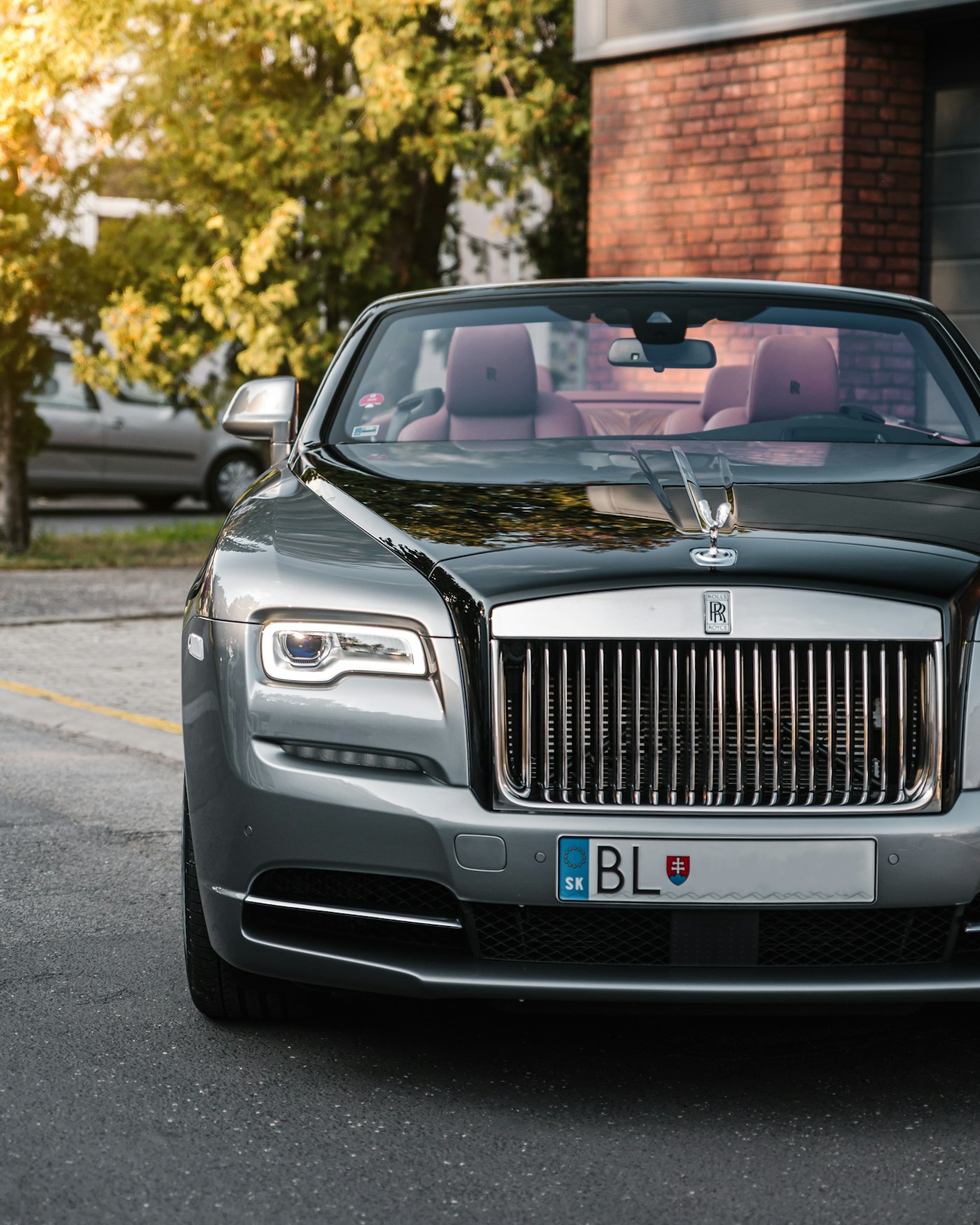
How Executive Protection Vehicles Are Built
A technical overview of the armoring process — from ballistic steel fabrication to final certification testing.
The Armoring Process: An Overview
Converting a standard luxury vehicle into a certified armored protection vehicle is a complex engineering process that typically requires 8–18 months for premium builds. The vehicle is completely disassembled to its structural components; ballistic steel panels are laser-cut and formed to match every original body panel profile; components are welded into the body cavity; then the vehicle is reassembled with all original interior and exterior finishes restored.
Ballistic Steel Selection and Fabrication
The choice of ballistic steel is the most fundamental technical decision in armored vehicle production. High-hardness armour (HHA) steel in grades from Hardox 450 to Armox 600T is selected based on the target protection level. Thickness varies from 3.5mm for VR4/5 applications to 12mm+ for VR9 requirements. Premium manufacturers use CNC laser-cutting tables to achieve panel tolerances under ±0.5mm, ensuring proper integration with original body contours.
- Laser Cutting:CNC precision cutting ensures panel accuracy; hand-cut panels are a quality red flag.
- Weld Quality:All structural welds must be X-ray or ultrasonic-tested for integrity — demand documentation.
- Heat Treatment:Post-weld heat treatment restores ballistic properties in the heat-affected zone adjacent to welds.
Ask AI About This Topic
Ballistic Glass Engineering
Ballistic glass is often the most technically complex component in an armored vehicle. Modern glass systems are multi-layer composites: borosilicate glass, polycarbonate interlayers, and anti-spall coatings are bonded in precise sequences. Glass thickness at VR8 typically ranges from 65–100mm. Optical quality must match OEM specifications — distortion in armored glass is a manufacturing defect, not an inevitable compromise.
Optical clarity is a proxy for manufacturing quality. Distorted or coloured armored glass indicates poor lamination process control — a sign that ballistic integrity may also be compromised.
Run-Flat Systems and Suspension Reinforcement
Every armored vehicle requires run-flat tire inserts capable of maintaining mobility after complete tyre loss. Standard civilian run-flat inserts are rated for 80 km at 50 km/h; premium builds carry inserts rated to 120 km. Simultaneously, all suspension components — springs, dampers, steering, and braking systems — must be upgraded to manage the 700–1,500 kg weight addition. Buyers should verify that these reinforcements are standard-fit, not optional extras.