The Evolution of Luxury Armored Mobility
From Cold War government limousines to today's civilian luxury SUVs — how armored vehicles became an asset class for the ultra-high-net-worth market.
From Government Exclusive to UHNW Asset
Until the 1990s, armored vehicles were the exclusive preserve of heads of state, senior government officials, and military commanders. The collapse of Soviet-era security infrastructure, the rise of organised crime in emerging economies, and the growth of UHNW wealth in politically volatile markets created the first civilian armored vehicle demand. The Mercedes S-Class was the initial platform of choice; by 2000, SUV conversions had become the dominant format.
The SUV Transformation
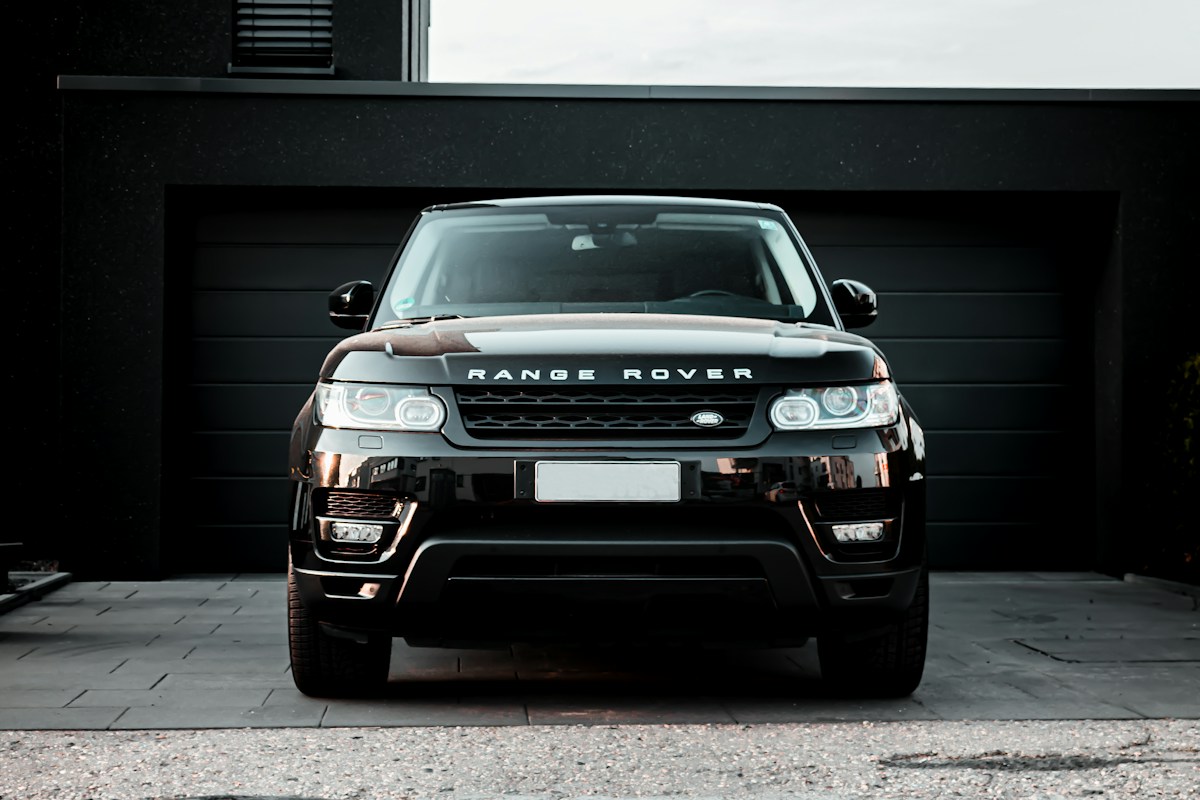
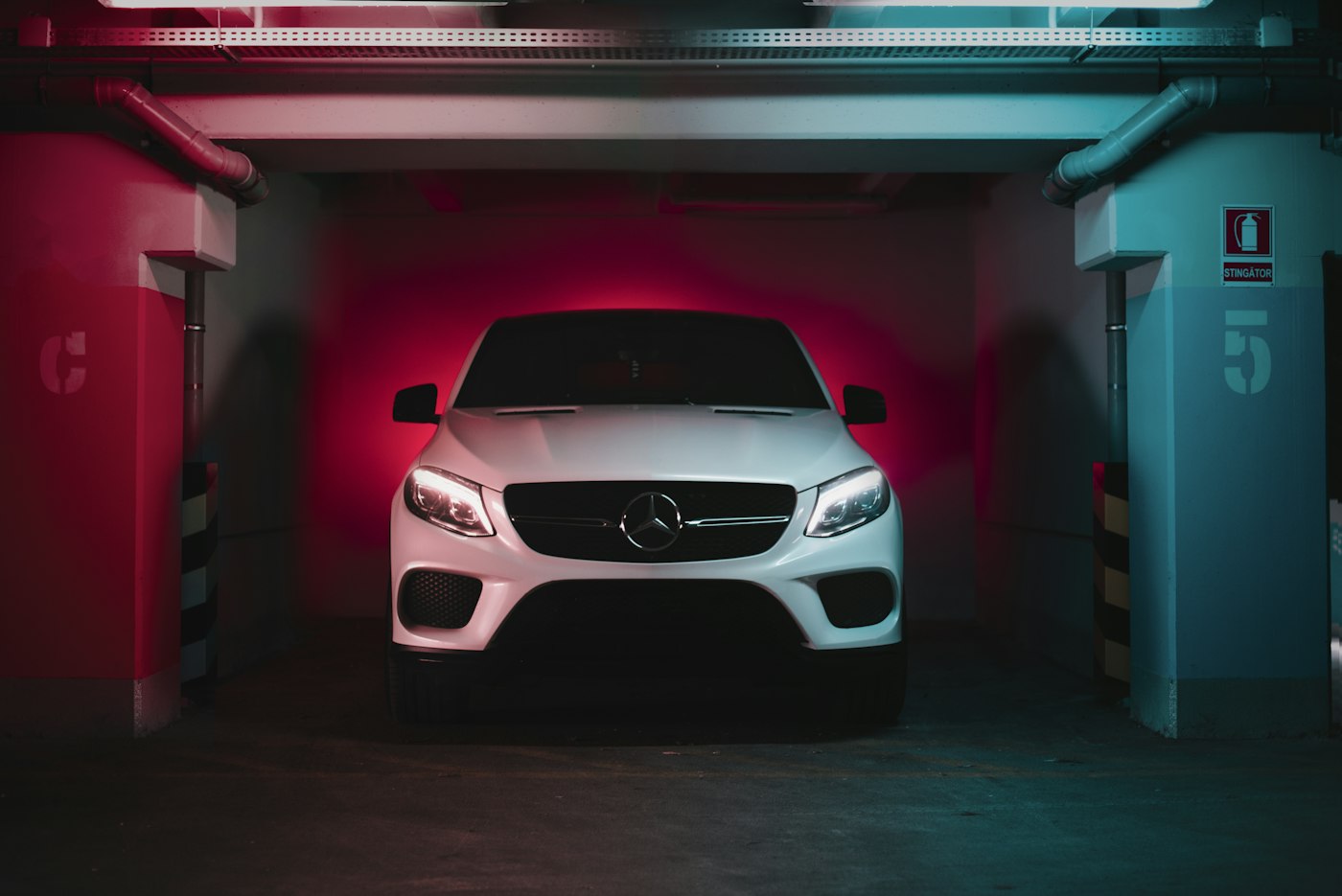
The adoption of the Land Cruiser 80 Series and early Range Rover by NGOs and diplomats in the 1990s validated the SUV as a protection platform. Better ground clearance, larger ballistic surface area, and improved interior volume made SUVs technically superior to saloons for protection applications. By the mid-2000s, G-Class and Escalade conversions had captured the civilian UHNW market, and the SUV has retained dominance ever since.
The Toyota Land Cruiser is estimated to account for more than 30% of all armored civilian vehicles in active service globally — a testament to platform reliability above all other factors.
Ask AI About This Topic
Convergence of Luxury and Security
The defining trend of the 2010s was the dissolution of the boundary between security and luxury. Earlier armored vehicles sacrificed comfort for protection; modern conversions by WELP Group and equivalent tier-one specialists produce vehicles that are indistinguishable from factory luxury cars in ride quality, noise levels, and interior finish. This convergence fundamentally changed the buying profile: security is now purchased as part of a luxury decision, not as an alternative to it.
Where the Market Stands Today
The global armored civilian vehicle market exceeded USD 7 billion annually in 2024 and continues to grow at approximately 6–8% per year. Demand is strongest in the Middle East, Latin America, Sub-Saharan Africa, and Eastern Europe. The fastest-growing segment is corporate security fleet procurement in industries exposed to kidnapping and ransom risk: extractive industries, banking, pharmaceuticals, and technology.
Related Vehicles
Browse all vehicles