Choosing the Right Luxury Armored SUV
A practical framework for matching protection level, lifestyle requirements, and budget before your acquisition.
Start With Your Threat Profile
Every armored vehicle acquisition begins with an honest assessment of the threat environment. A corporate executive in a low-risk jurisdiction requires a very different vehicle to a diplomat operating in an active conflict zone. Protection levels range from VR4 (handgun protection) through VR9 (armour-piercing rifle rounds and military-grade threats). Most civilian buyers fall between VR6 and VR8.
VR8 is the most popular protection level for high-net-worth civilians: it defeats AK-47 fire while preserving near-factory driving dynamics.
Understanding VR Protection Ratings
The European EN 1063 and German BRV 2009 ballistic resistance standards define the VR scale. Higher ratings require heavier steel plating and thicker glass, which directly affect vehicle weight, suspension loads, and performance. A VR6 conversion typically adds 500–700 kg; a VR9 vehicle may carry 1,500 kg of additional armour.
- VR4–VR5:Protection from handguns and submachine guns. Minimal weight gain; full performance retention.
- VR6:Defeats 7.62×39 standard FMJ (AK-47 ball). Lightweight conversion, most versatile for everyday use.
- VR7:Defeats 7.62×51 NATO FMJ. Common for diplomatic and government SUVs. Some performance impact.
- VR8:Defeats 7.62×51 hardened steel core. Substantial weight addition; preferred by executive protection teams.
- VR9:Armour-piercing rifle rounds (.30 AP). Heavy conversion; reserved for highest-risk principals.
Ask AI About This Topic
Matching Vehicle to Use Case
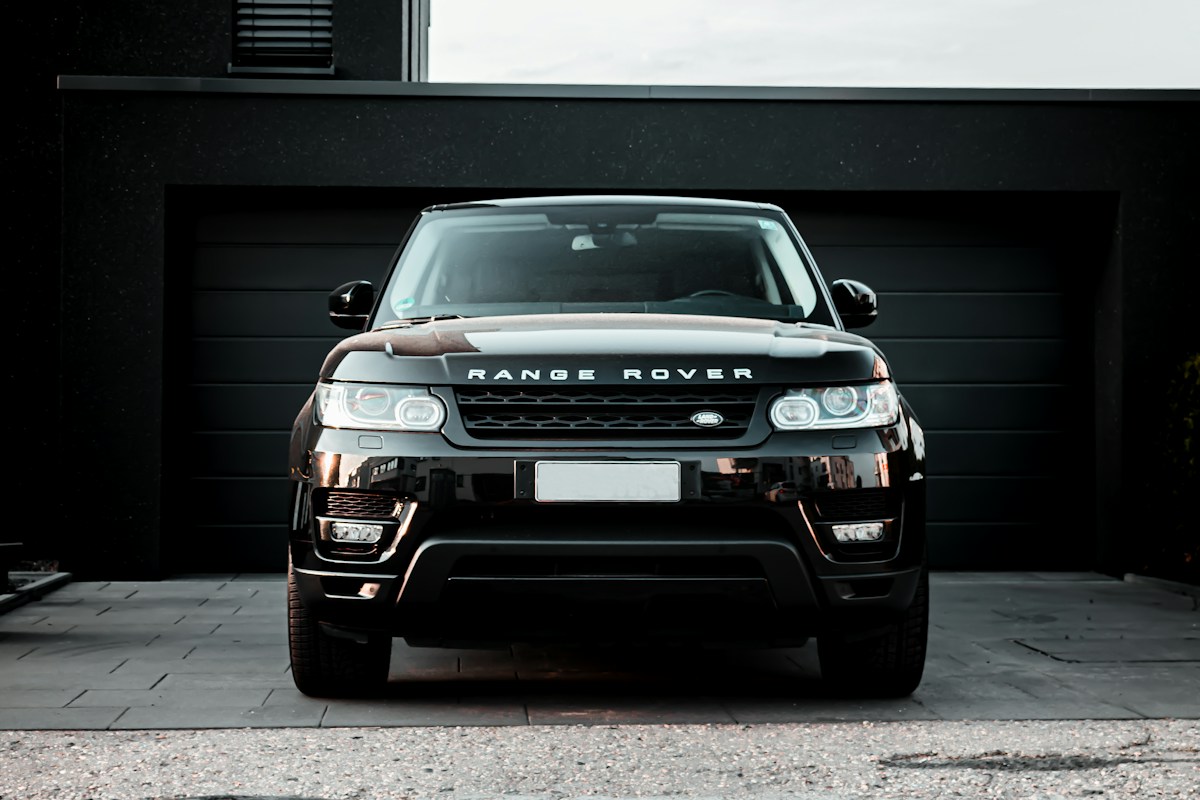
Platform selection is as important as protection level. The Mercedes-AMG G63 VR8 offers terrain versatility combined with prestige. The Range Rover Autobiography VR7 prioritises comfort on long executive runs. The Toyota Land Cruiser 300 VR6 is the preferred choice for high-volume government fleets due to its legendary mechanical reliability in harsh environments.
Weight, Performance, and the Daily Drive
Armour adds significant weight, and every buyer should test-drive a converted vehicle before purchase. Braking distances increase, fuel consumption rises by 20–35%, and suspension components wear faster. Premium manufacturers reinforce braking systems and upgrade suspension as standard; always verify this is included before comparing prices. Run-flat tyres rated for at least 80 km are non-negotiable.
Never compare an armored vehicle's 0-100 km/h time with its unarmored variant — the weight ratio changes the entire driving character.