Luxury vs Tactical Armored Vehicles
Understanding the fundamental differences between civilian luxury armoring and military or tactical-grade protection.
The Core Distinction
Military tactical vehicles are designed for combat insertion, fire support, and troop transport in hostile environments. Civilian luxury armored vehicles are designed for principal protection in civil environments where the probability of attack is low but the consequence is catastrophic. The two categories have fundamentally different design priorities, weight profiles, and maintenance requirements.
Where Civilian Armoring Exceeds Tactical Norms
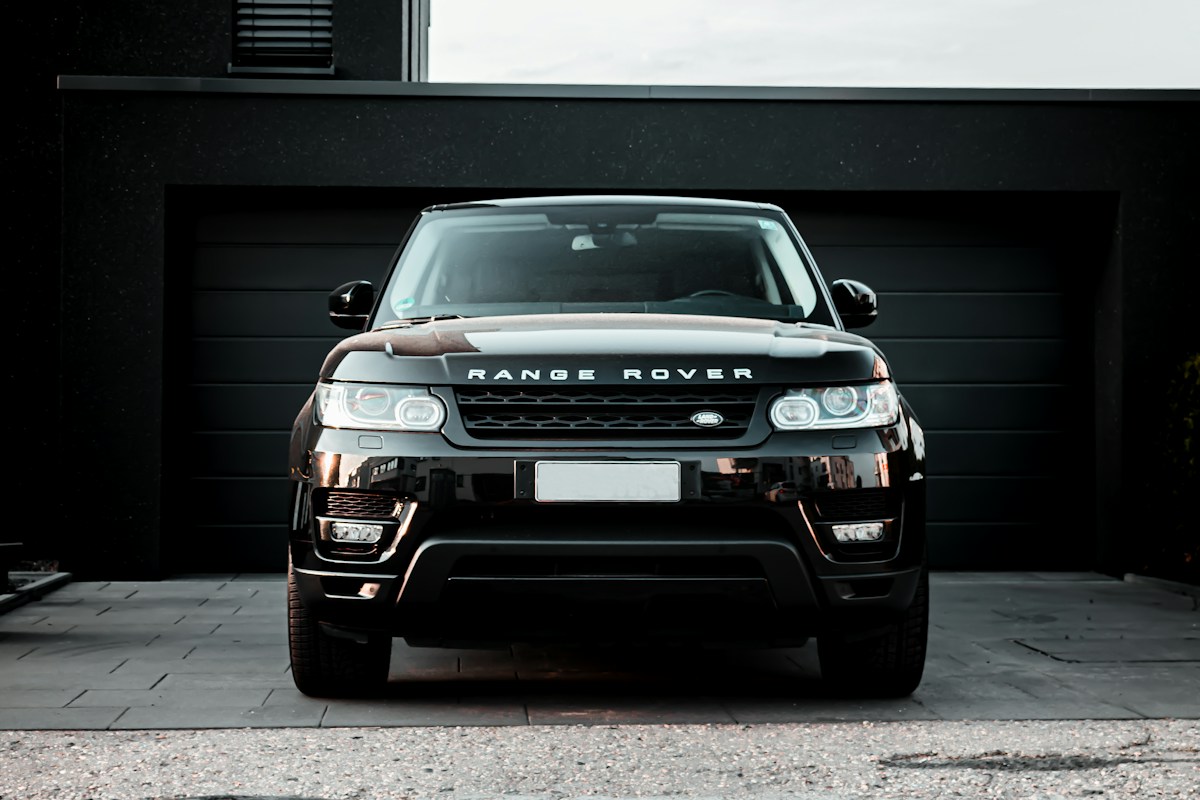
Counterintuitively, high-end civilian armored limousines often achieve comparable ballistic protection to many military vehicles while operating from a standard road car platform. The Mercedes S680 Guard (VR9/B7+) defeats threats that many military light vehicles cannot withstand, delivered in a vehicle indistinguishable from standard factory production.
Discretion is a security feature. A civilian-profile vehicle in a threat environment draws less hostile attention than an obviously military platform.
Ask AI About This Topic
Where Tactical Platforms Excel
Tactical vehicles carry blast, mine, and IED protection categories that civilian conversions do not typically address. If the threat assessment includes roadside explosives, specialised blast-floor plating and blast-seat dampening systems are required — capabilities beyond the scope of most civilian armored SUVs and reserved for purpose-built tactical platforms.
- Blast Protection:ERV (Explosive Resistance Vehicles) carry floor plating and crew blast seats not typically found in civilian conversions.
- Run-Flat Distance:Military platforms often carry run-flat systems rated to 300+ km; civilian systems average 80–120 km.
- Communications:Tactical vehicles carry military-grade comms integration; civilian vehicles require aftermarket systems.
Related Vehicles
Browse all vehicles